Hair
Haircuts for Fine and Thick Hair: What to Ask Your Stylist
By Salon 695 Updated 5 min read
Quick answer
Fine hair usually looks fuller with a blunt line that keeps weight at the ends, such as a bob or a lob with soft face framing. Thick hair usually does best with weight removed through the lengths and long layers for movement. Your stylist decides the details at a consultation, so bring a photo and describe your styling habits.
On this page
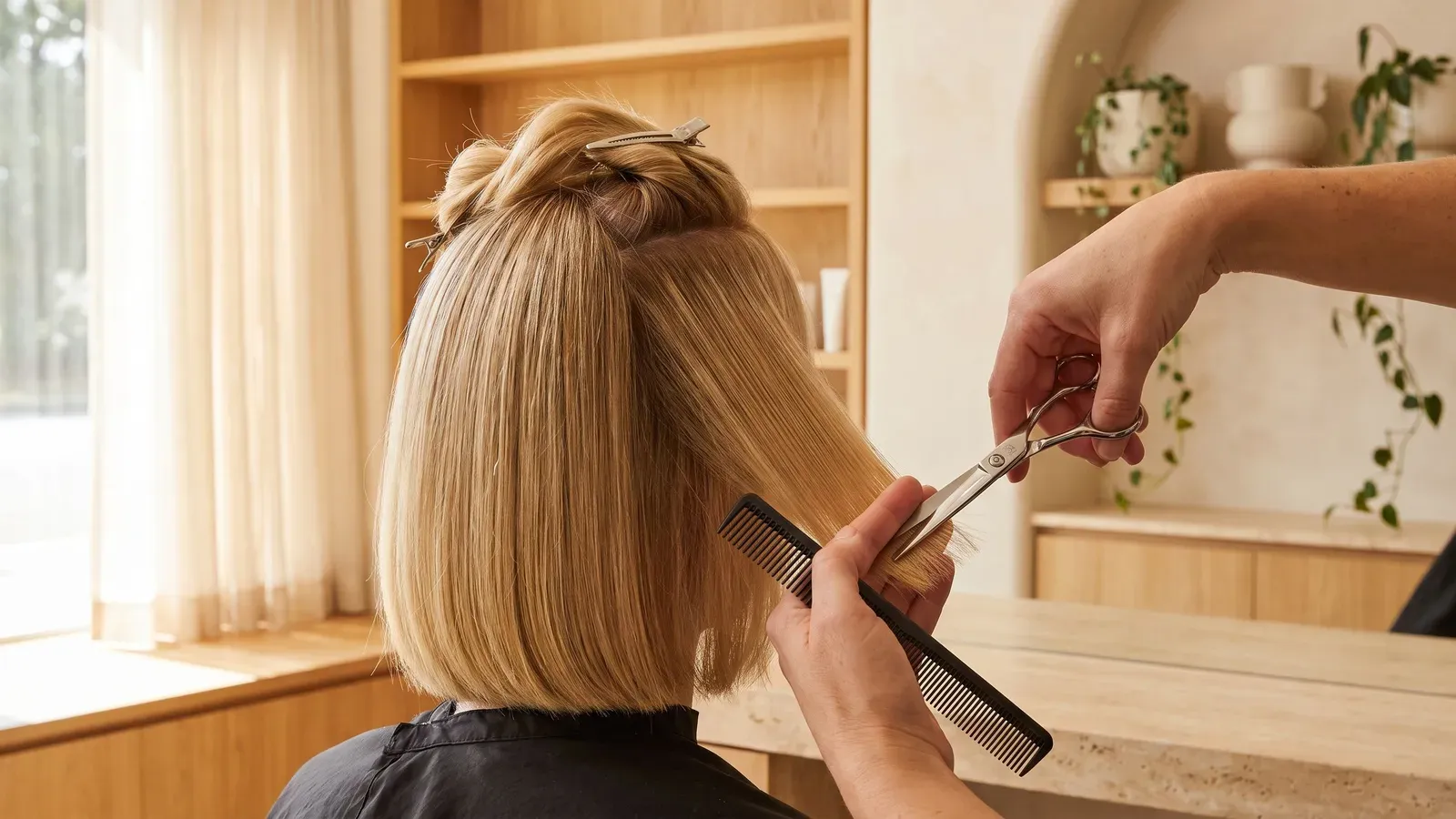
The same cut can look polished on one head of hair and flat or heavy on another. That is the whole problem with a haircut for fine hair or a haircut for thick hair: a photo shows the shape, but not how many strands are behind it or how they behave once you leave the chair. At Salon 695, every cut starts with a conversation, so this guide gives you the vocabulary to have a good one.
Want a cut planned around your own hair? Book a Haircut →
What is the best haircut for fine hair?
A blunt line that keeps weight at the ends usually makes fine hair look fuller. That often means a bob, a lob or a clean one-length cut at the shoulders, sometimes with soft framing around the face. Your stylist makes the final call from your density, your part and the way you style.
Blunt Lines and Bobs
When every strand ends at the same line, the edge reads as thick even if the hair is not. A chin-length bob is the classic example, and a lob (a long bob) gives you the same effect with more length to tuck or tie back. Ask for a “blunt end” or “no thinning at the ends” so nothing gets removed where you need it most.
Length That Suits Fine Hair
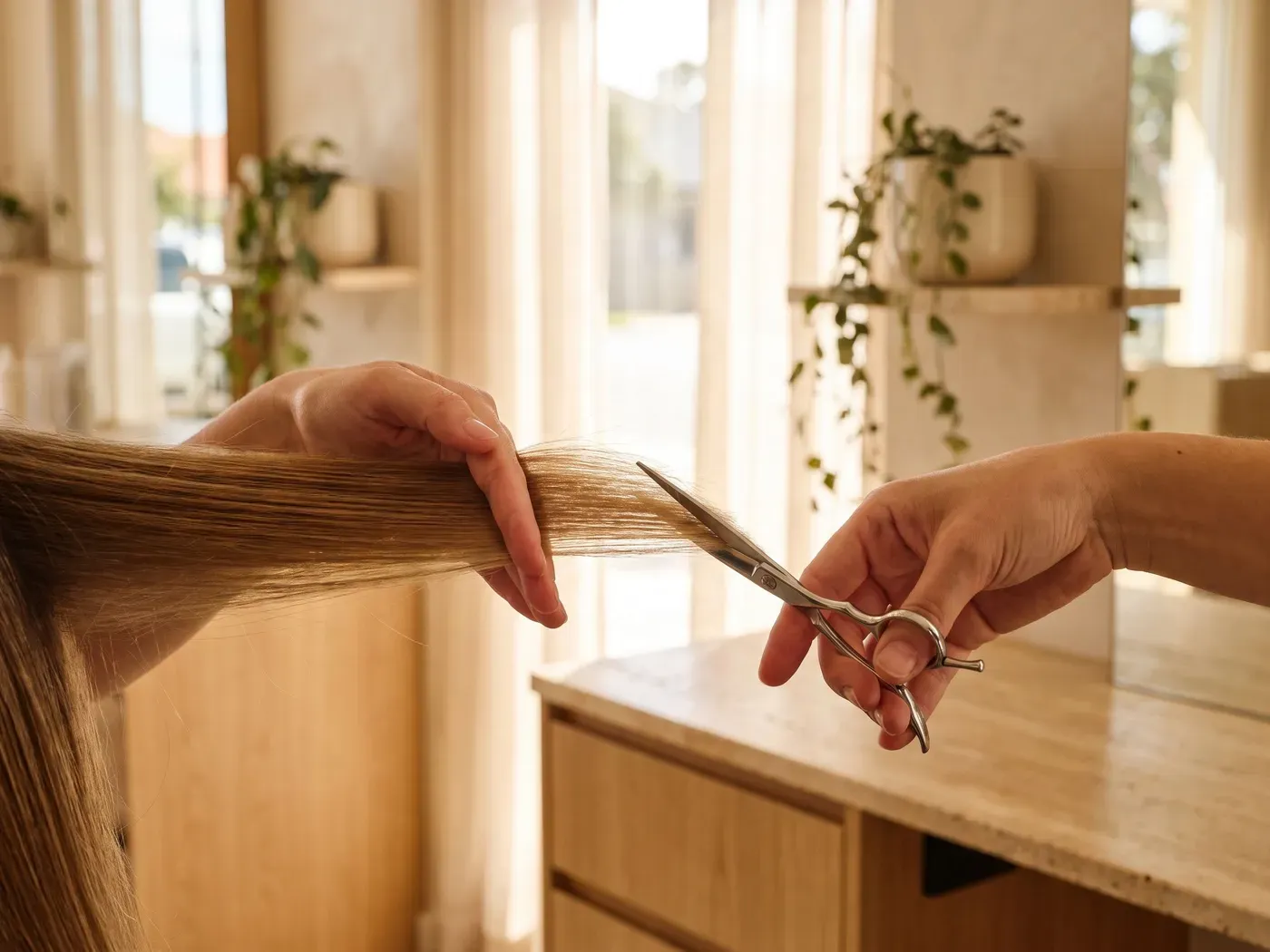
Very long fine hair can look thin at the bottom because the ends taper. Many people find shoulder length or shorter looks fuller, though plenty of people keep length and simply trim often enough to keep the ends even. If you love your length, say so, and your stylist will plan around it. If you want more density on top of a cut, hair extensions can add fullness and are worth raising at the same consultation.
Should fine hair be layered?
It can be, with care. Light, long layers add movement without removing bulk, while heavy or short layers can leave fine hair looking sparse at the ends. Ask for layers that add shape rather than layers that thin, and show your stylist how you wear your hair most days before the shears come out.
Dimension helps here too. Color that varies tone makes fine hair look like it has more depth, which is why our guide to balayage and highlights is a good companion read. A gloss can add the shine that fine hair sometimes lacks, and our explainer on hair gloss covers when it is worth adding.
What haircuts work for thick hair?
Thick hair holds a shape well, so the goal is usually weight control. A stylist can remove bulk through the lengths, keep a blunt edge for a clean outline, or add long layers for movement. Which one fits depends on how the hair behaves when it dries and how much time you want to spend on it.
Weight Control
Thick hair that is cut all one length can sit in a heavy triangle. Texturizing, where a stylist point-cuts into the ends of lifted sections, releases that weight so the hair swings instead of stacking. Ask where the weight will sit after the cut, and whether it will dry into shape with a quick blow dry.
Layers for Movement
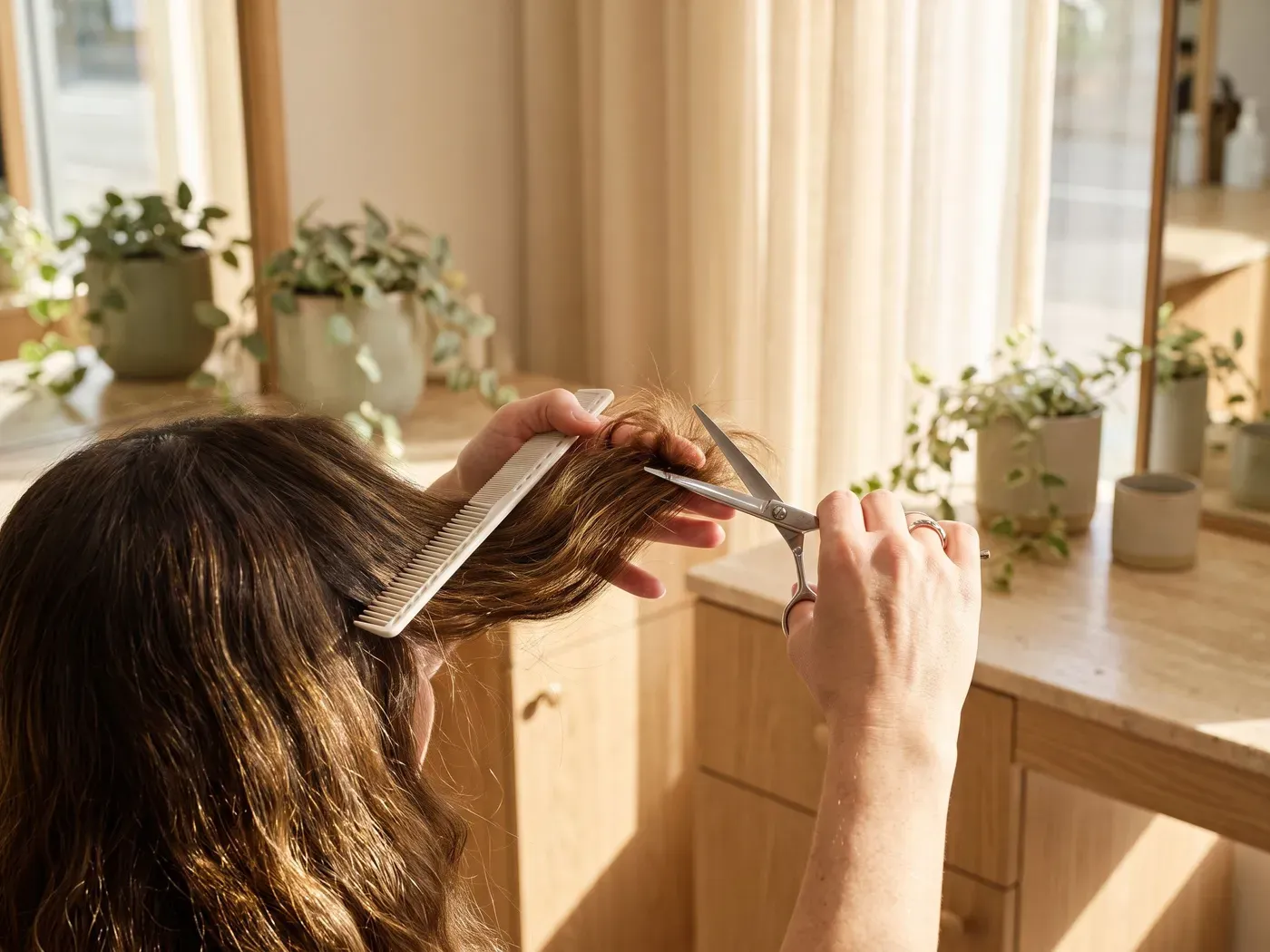
Long, soft layers give thick hair somewhere to go. They can also cut drying time, which matters if blow drying takes you forever. Keep the layers long if you want the fullness of the hair to stay visible, and shorter if you want lift at the crown.
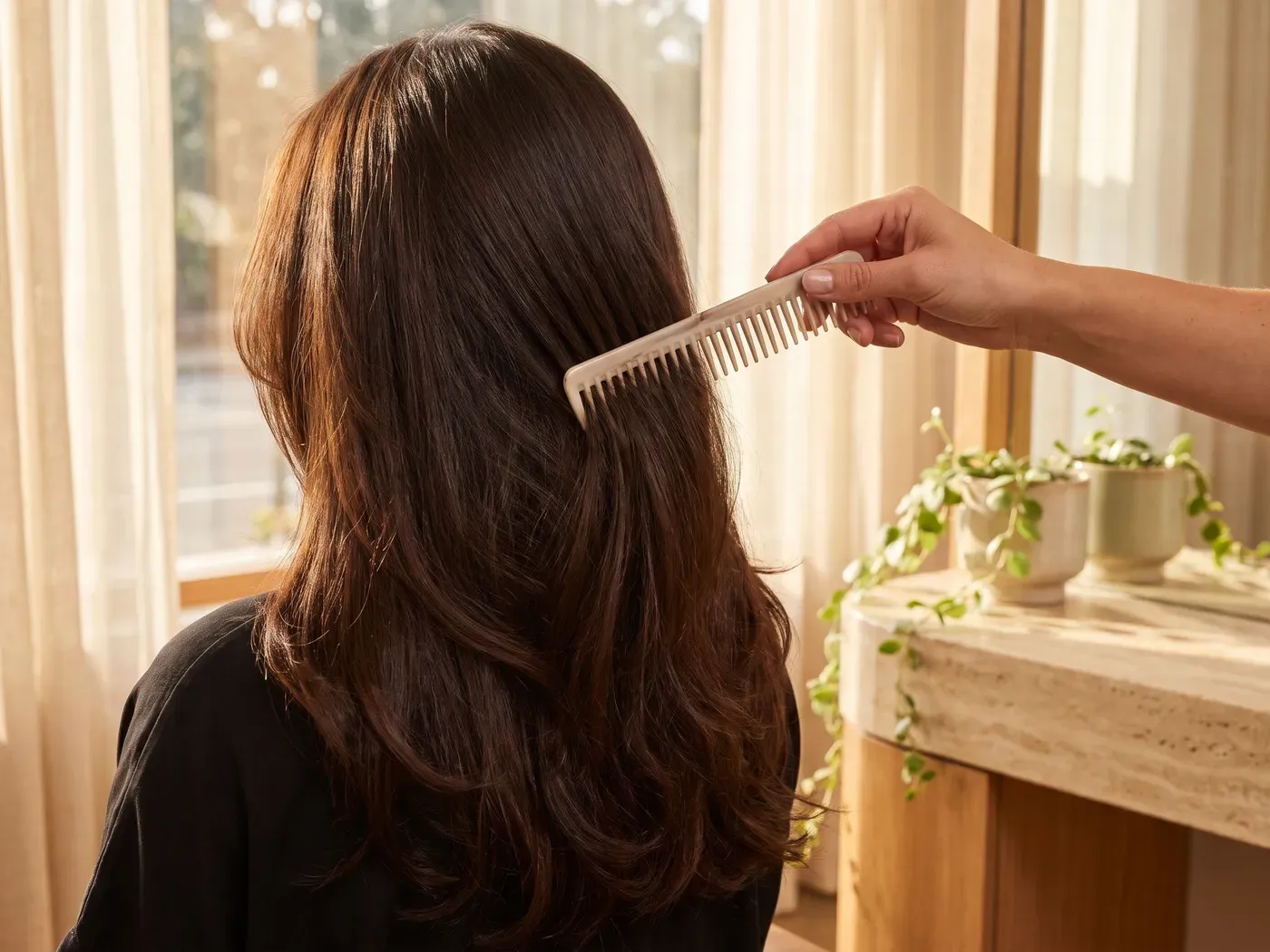
Thick hair that frizzes in Denver’s dry climate may also be a candidate for keratin smoothing, which is a separate service you can plan alongside a cut.
How do you ask your stylist for the cut you want?
Bring a photo, and then describe your hair in plain words. Photos show shape, but they do not show density, texture or how long you want to spend with a brush. Our haircut consultation covers your part, how your hair dries on its own and your daily styling time, because fine, thick and wavy hair each need a different plan.
Use this table as a starting script.
| Hair type | Cut ideas | What to tell your stylist | Styling note |
|---|---|---|---|
| Fine | Blunt bob, lob, soft face framing | “Keep the ends full and avoid thinning.” | A light blow dry at the roots adds lift. |
| Thick | Long layers, texturized ends, a clean blunt edge | “Take weight out so it dries faster and moves.” | Smooth with a low or medium heat setting. |
| Fine and wavy | Soft layers, chin or shoulder length | “I want my wave to show without looking flat.” | Let it dry mostly on its own before styling. |
| Thick and curly | Shaped layers, length that sets the curl | “Cut with my curl pattern, and check it dry.” | Detangle with a wide-tooth comb while conditioner is in. |
Also say what you do not want, because “not too short” and “no heavy bangs” give your stylist as much to work with as a photo does.
How do you style fine or thick hair after the cut?
Style to the cut, not against it. Fine hair does best with a little lift at the roots and a light touch with any heat. Thick hair does best with a smoothing pass and enough time to dry fully. In Denver’s dry climate, fine hair picks up static and flyaways, while thick hair can turn dry and frizzy.
The American Academy of Dermatology notes that dermatologist hair-care tips include using a wide-tooth comb on wet hair and low or medium heat settings with a heat protectant. That advice applies to every hair type. The Colorado Climate Center describes the state’s semi-arid climate, which explains why a leave-in conditioner and a gentle towel dry are worth the extra minute.
How often should you trim fine or thick hair?
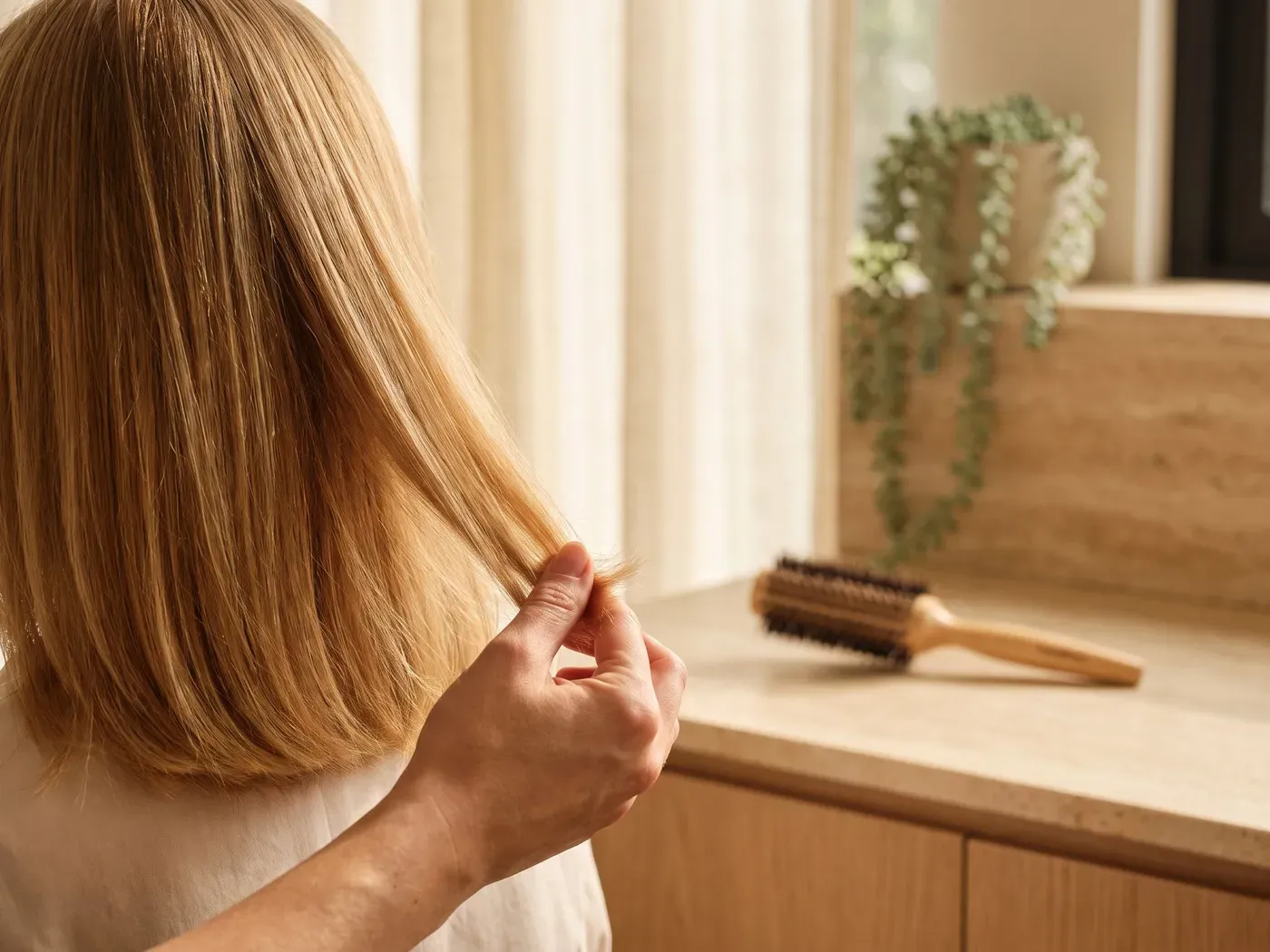
Your stylist sets the schedule for your shape, because a short cut loses its line sooner than a long one. Our haircuts page says short cuts and men’s cuts usually lose their line after four to six weeks, while longer hair can often go eight to twelve weeks between trims. If you are growing your hair out, tell your stylist so they trim for the length you want.
How do you book a haircut at Salon 695?
Haircut prices run $70 to $100, men’s cuts $50 to $60 and children’s cuts $35 to $55, and they vary by stylist. Blow dries are $50 to $70 and perms $130 to $200. You can start with the 695 Squad or choose from our independent beauty pros, and booking with the same stylist each time means they already know how your hair falls.
Tell us what you have in mind, bring a photo and let your stylist build the plan with you. For more advice from our stylists, browse the Denver beauty guides. If color is part of the plan, our color specialists can work with your stylist, and the Denver hair salon menu shows everything we offer.
Key takeaways
- Fine hair tends to look fuller with a blunt line and light layers; thick hair tends to need weight removed so it moves and dries faster.
- The most useful thing you can bring to a cut is a photo plus a plain description of your part, how your hair dries and how long you spend styling.
- Denver's dry climate adds static to fine hair and frizz to thick hair, so the way a cut dries on its own matters as much as the shape.
Haircuts for Fine and Thick Hair FAQs
Does fine hair need a blunt cut?
Not always, but a blunt line is a common starting point because it keeps weight at the ends and makes fine hair look denser. Your stylist may add soft layers around the face. Tell them how you wear your hair day to day before they cut.
Can thick hair be cut without losing its shape?
Yes. The aim is to remove bulk where it sits heavy, often through the lengths and ends, while keeping a clean outline. Ask your stylist where the weight will land and how the cut dries without heavy styling.
Do bangs work with fine hair?
They can, and many people with fine hair wear them. Bangs take hair from the crown, which can leave the rest thinner, so your stylist will check your part and hairline first. Ask for a trial length, since longer bangs are easier to adjust.
Should I cut wavy hair wet or dry?
It depends on the hair. Wavy and curly hair can shrink and shift as it dries, so some stylists check the shape dry. If you want that approach, ask for it when you book and the front desk will match you with a stylist.
Sources
- Tips for healthy hair (American Academy of Dermatology)
- Colorado's Climate: Topographic Features (Colorado Climate Center, Colorado State University)
Written and checked under our editorial policy.
Related services
-
Haircuts
See haircuts → -
Hair color and balayage
See hair color and balayage → -
All hair services
See all hair services →
Keep reading
-
Hair
Balayage vs Highlights vs Lowlights: Which Suits Your Hair
How balayage, highlights and lowlights differ, and how to ask for the one that fits your hair.
Read the guide →: Balayage vs Highlights vs Lowlights: Which Suits Your Hair -

Hair
Hair Color Consultation: What to Bring and What to Ask
What to bring, what to tell your colorist and what to ask at a hair color consultation.
Read the guide →: Hair Color Consultation: What to Bring and What to Ask